Claude Ship is a new set of Anthropic agents that take a GitHub pull request through review, fixes, and an approval decision. Anthropic's @ClaudeDevs account announced the beta on November 23, 2026, saying Claude can "review your pull requests, work on fixes, and approve the ones your team's policy allows." Your own settings and GitHub's branch rules still decide what actually merges.
According to Anthropic's Claude Ship docs, it's three agents that each handle one part of the job:
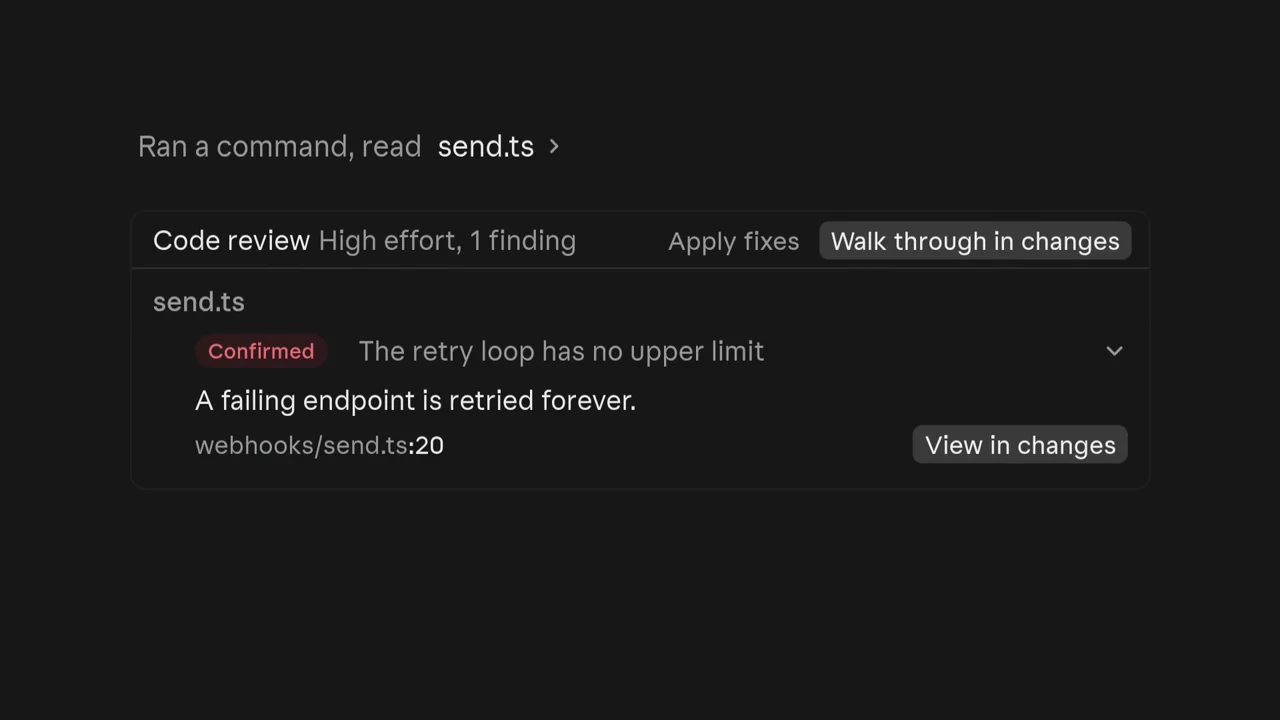
- Code Review reads a change along with the code around it and leaves inline comments on the lines it's worried about, ranked by severity. This one already existed, is generally available, and now lives under Claude Ship.
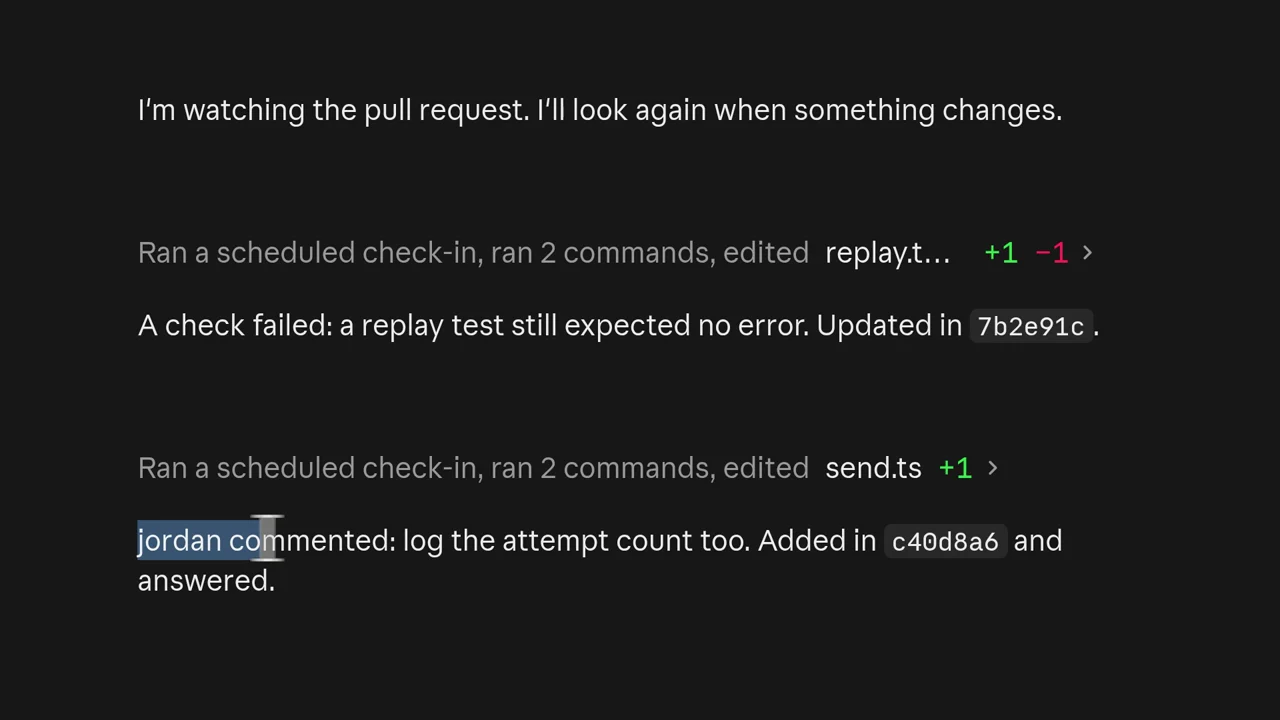
- PR Steward works on failing checks, merge conflicts, and review comments from people and from bots like Code Review, then pushes commits with its fixes. Anthropic says it's designed not to approve or merge anything.
- Claude Approvals is a pull request check that reports who still has to approve, following a policy file your team writes. Where the policy allows it, Claude can post an approving review of its own.
Claude Ship is only for organizations on Team and Enterprise plans. PR Steward and Claude Approvals are in public beta. Each agent bills by tokens through your organization's usage credits, separately from the usage your plan includes, and none of them are available with zero data retention, the HIPAA configuration, or customer-managed encryption keys. An Owner turns it on under Organization settings > Claude Ship, and the docs suggest one agent at a time in one repository: Code Review first, then PR Steward set to start only when someone types @claude steward, then Approvals. PR Steward has no spending limit until you set one.
The approval part needs a careful policy
Claude Approvals reads a file at .claude/approvals.yml on your default branch. Each rule names the paths it covers, how many people have to approve, and whether Claude may approve or only comment. Anthropic's example has billing code needing two people and test fixtures needing one person once Code Review passes. A new policy should start in observe mode, where the check only reports what it would have decided, though Anthropic still bills for the reviews it runs.
The docs are unusually direct about how a change can merge with nobody looking at it. Watch for these:
- The check isn't required. Claude Approvals only blocks a merge where you make it a required check in GitHub.
- The policy asks for nobody else. The author can fill a seat, so one seat means no second person has to look. With zero seats, a pull request a bot wrote can merge with no person involved.
- GitHub counts Claude. If a branch rule requires one approval, Claude's approving review can be that one.
- Claude approves without a review. A rule that lets Claude approve doesn't start a Code Review by itself, so Claude can approve a change nothing has reviewed unless you tie the approval to Code Review passing.
Add GitHub auto-merge or a merge queue to a loose policy, and a change can merge without anyone acting at all. For a small team, the safer setup is observe mode for a while, then a policy that still requires a person on anything touching money, logins, or data. A model checking work from the same model shares its blind spots, which is why we have a second model review Claude's code.
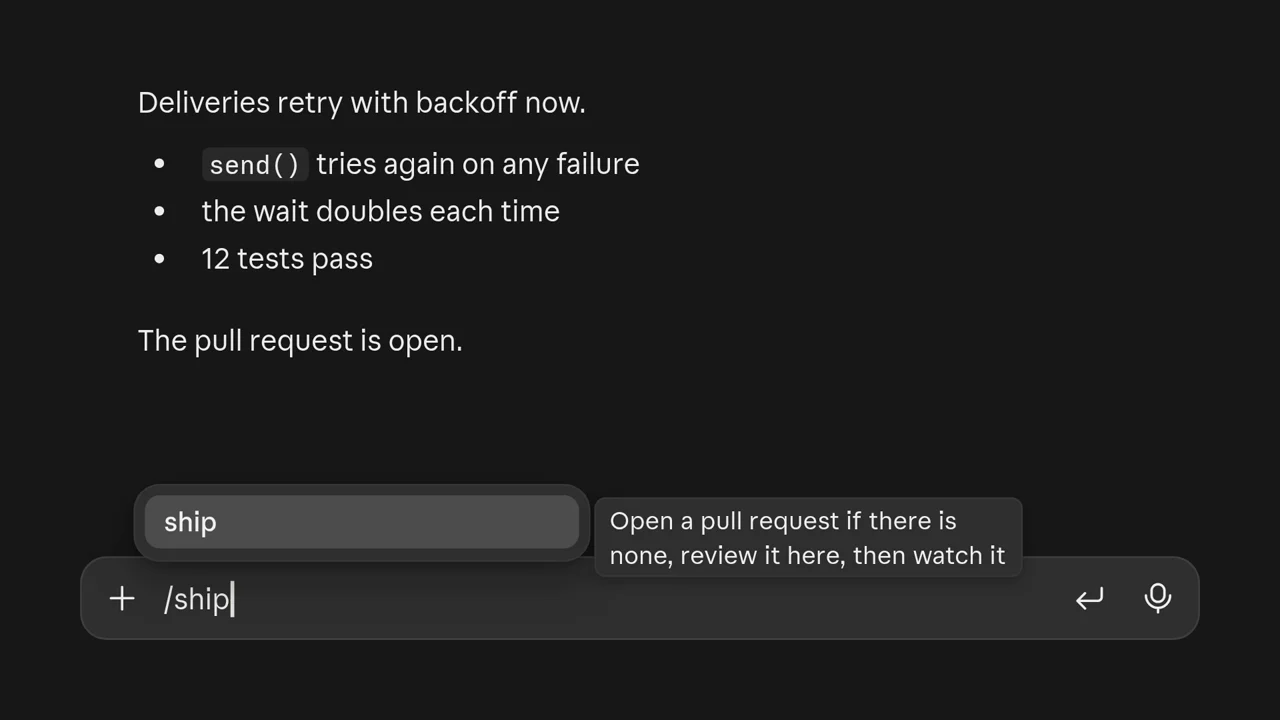
Without Claude Ship, the /ship command gives you a personal version of the same loop in Claude Code. Type /ship in the CLI and Claude commits your work, pushes the branch, and opens a pull request as you if there isn't one. Then it reviews the change with /code-review and starts a watch: it keeps checking the pull request and pushes fixes for failing checks, merge conflicts, reviewers' comments, and its own findings. When everything passes, you merge it yourself. /steward skips the review and starts the watch on a pull request you already opened.
You need Claude Code v2.1.330 or later, the GitHub CLI 2.63 or later signed in with gh auth login, and git 2.38 or later. The commands run in your own session against your own usage, and they aren't in cloud sessions. For a watch you can walk away from, the docs suggest auto mode, and in bypassPermissions mode no watch starts at all.
Three cautions from the docs are worth reading twice. /ship can commit every uncommitted change, new files included, so run git status first. Its check for secrets only looks at file names like .env, so look inside your files yourself. And Anthropic warns that you should run a watch only where you trust everyone who can merge to the base branch or push to your branch, because, in the docs' words, "Any of them can run programs on your computer with your credentials." Our guide to Git with Claude Code covers the branch habits that make this safer.
Anthropic pitches Claude Ship as a way to ship code as fast as you can write it. For now the last step still belongs to a person, unless your policy says otherwise.
Sources
ClaudeDevs on X - November 23, 2026 announcement of Claude Ship in beta, and the video the images here come from.
Claude Code docs: Claude Ship - The three agents, plans, billing, setup order, availability limits, and how to turn it off.
Claude Code docs: Claude Approvals - The policy file, observe mode, example rules, and the ways a change can merge without human review.
Claude Code docs: PR Steward - What PR Steward works on, when it starts, and how to stop it.
Claude Code docs: Get a pull request ready with /ship and /steward - What /ship commits and pushes, the review and watch, requirements, permission modes, and the security warning.