
Try to remember the last time the internet actually surprised you. Not informed you, it does that constantly and better than ever. Surprised you. A weird personal site you fell into at 1am. A forum thread that went sideways into somebody's divorce and really engaged you. A tutorial written by one specific human with real opinions and typos and a grudge against semicolons. If you're struggling to think of one, you've noticed the thing I want to talk about: the internet has gotten so boring.
I've spent months writing around the edges of this, the synthetic feeling everywhere, the slop in the feeds, the bots in the comments. But boring is its own diagnosis, and AI's role in it is bigger than slop. The interesting internet ran on humans doing things in public, and AI has been quietly moving all of it indoors.
We had almost nothing in the 90s… but it was somehow more
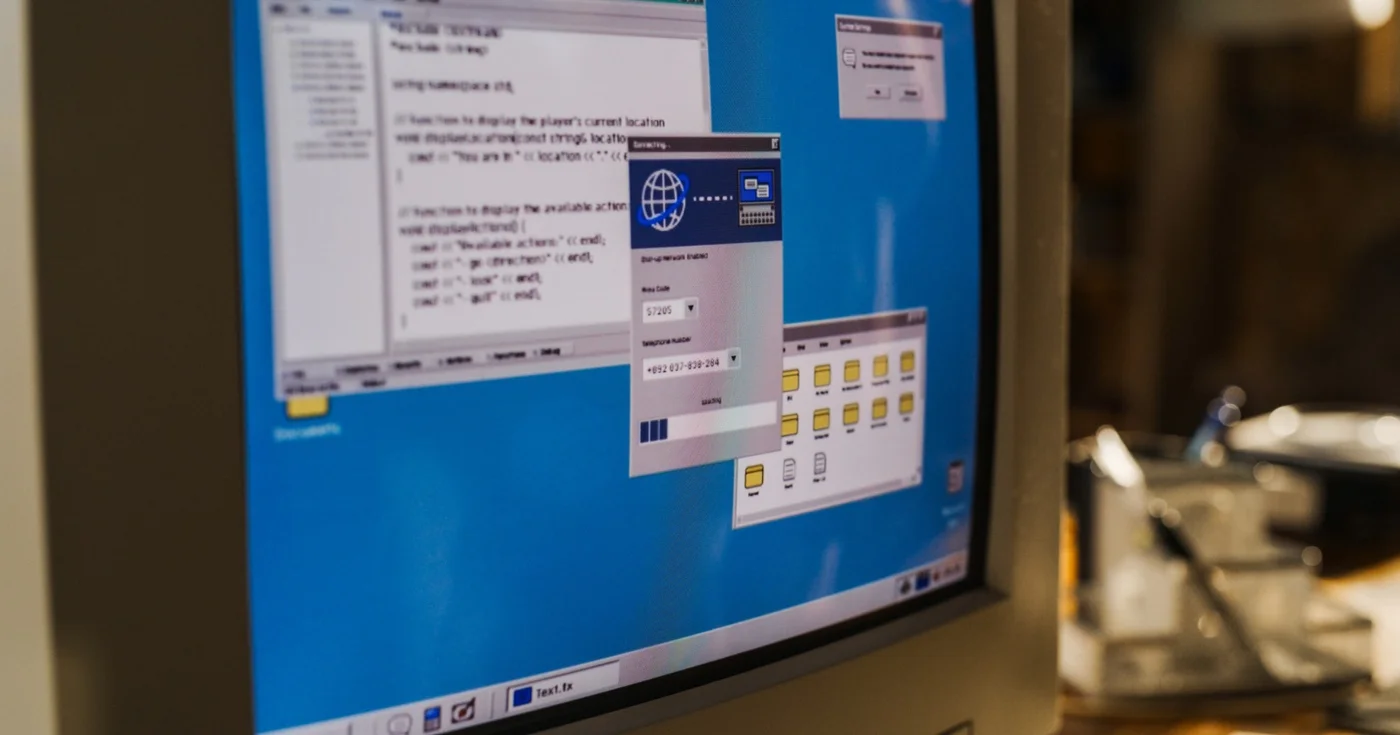
Let me date myself, because it's needed for the comparison. I was born in the late 1980s and I was there for the dial-up internet, the one that screamed at you while it connected and died when your mom picked up the phone. There were maybe six things to do. You sat in IRC channels where the same thirty names showed up every night, and when a new name joined, people noticed, said hi, asked them how their day went. You argued about video cards ATI, Nvidia, Matrox, and 3DFX on the AnandTech forums with people whose entire posting history you basically knew by heart. You left away messages on AOL Instant Messenger, little things like "brb, dinner, don't do anything legendary without me," and your friends actually read them, because the buddy list was the feed before feeds, and the door-creak sound of a close friend signing on was a genuine moment in your evening.
Objectively it was nothing. A handful of text boxes. But it felt more alive than anything I open today, and I've stopped believing that's just my nostalgia doing the talking. The old internet was rooms, and rooms have presence: everyone in them had chosen to be there, at the same time, with nothing to farm and no metric to serve, because the metrics didn't exist yet. Nobody was performing for or trying to game an algorithm. "Real" wasn't an aesthetic you curated, it was the default state. Scarcity of content meant abundance of attention, and we spent that attention on each other.
And here's the detail I miss most: you could finish the internet. You'd catch up on the forum, the IRC channel would go quiet, and you'd log off and disconnect, because the internet was a place you visited rather than a condition where you're always online. Hold that whole feeling, the rooms, the presence, the logging off, because below is an autopsy of where it went.
A question used to be a place
Think about what asking a question online used to produce. You'd post it on a forum, and the answer arrived wrapped in a whole little society: the know-it-all guy who answers everything slightly wrong, the expert who shows up later and settles it. The UBB forums then transitioned into Quora and Reddit. The answer was a byproduct. The thread was a public good, sitting there for every future person with the same problem.
Now that same question goes into a private AI chat, gets a better answer, faster, with no judgment, and produces nothing. No thread, no society, no artifact for the next person. Multiply by a few billion questions and you get libraries quietly emptying: we covered how Stack Overflow's question volume collapsed by 76 percent, and every forum that lived on beginner questions is on the same curve. Asking in public built the commons. We're all still checking books out of the library, we've just stopped writing new ones.
Learning lost its detours
Same story for tutorials, courses, lessons. The old way was gloriously inefficient: you wanted to learn one thing and had to wade through some stranger's blog with random messages about their life story before the recipe, a YouTube teacher with a whiteboard and verbal tics, a forum of enthusiasts arguing about the right way. The inefficiency was the feeling of genuine texture. You didn't just learn, you met the people who cared about and had passion, and half of what you know today probably came from those accidental detours.
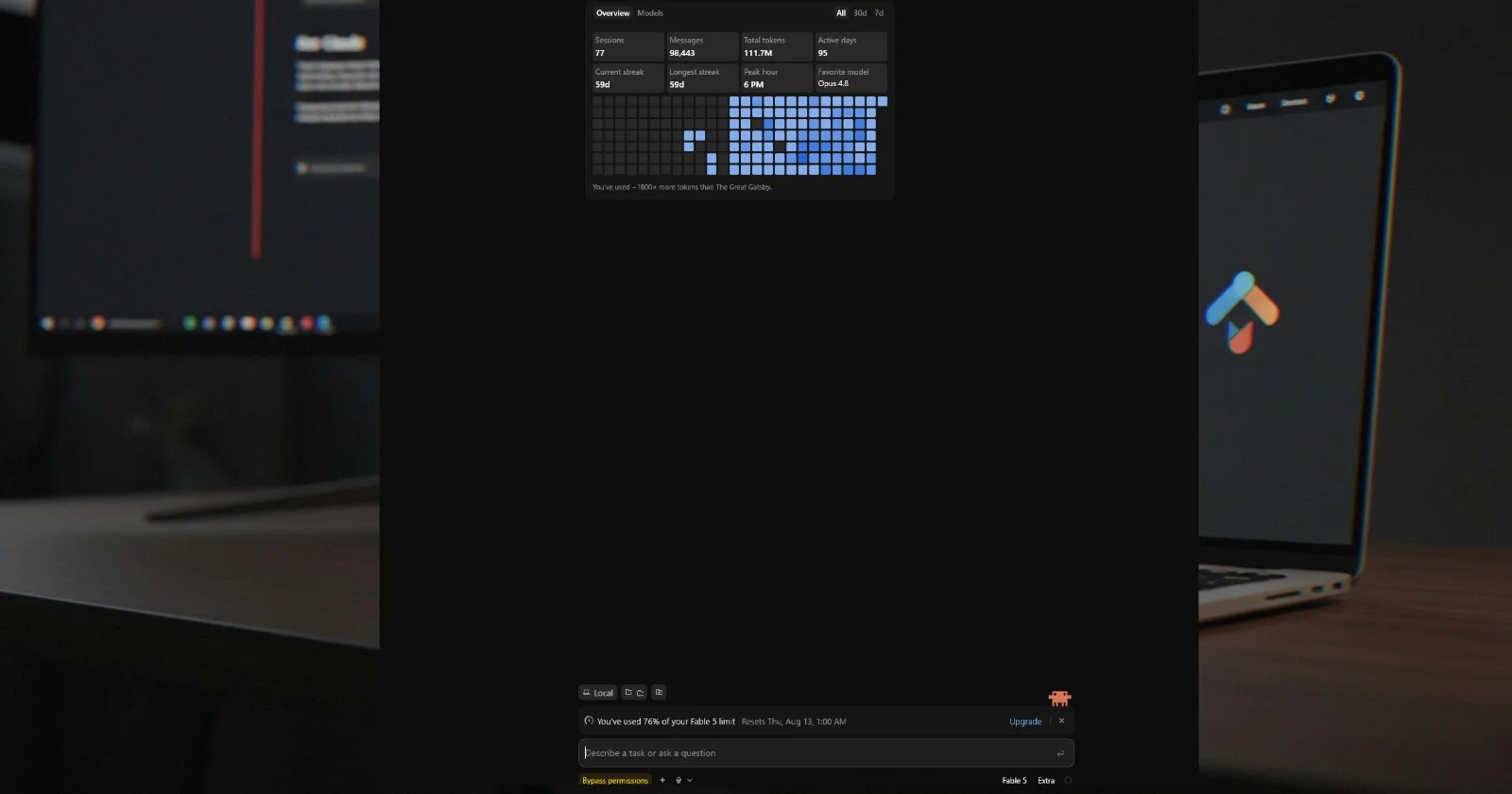
AI deleted the detours. Ask, receive a clean personalized lesson, move on. Back in the day if we said an AI chatbox could do that, we would be amazed and as pure utility it's a miracle, and I've argued the democratizing side of this with a straight face and meant it. But nobody lingers anymore, and lingering was where the culture lived. A generation is “learning to code” without ever finding the weird personal site of the person who loves the language, and that's a real loss. Even learning to code is disappearing with LLMs writing the code for you.
Search stopped sending you anywhere
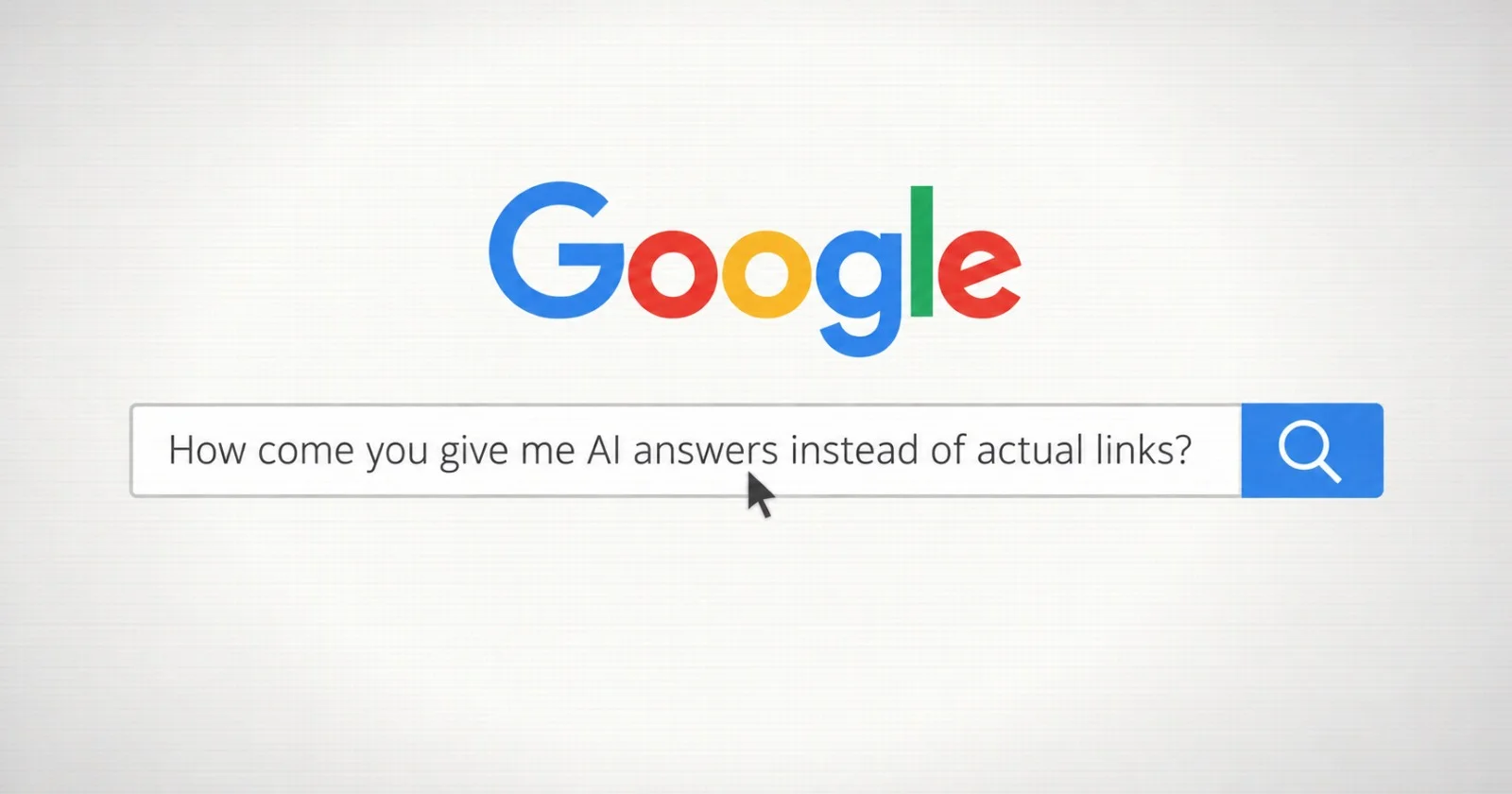
Then there's the front door of the internet hurting the people who helped build its empire. Google used to be a travel agent: you asked, it sent you somewhere, and the somewhere was a place where someone spent the time and effort to build. Now the AI Overview answers at the top and most searches end without a single click to the website that produced the answer. The web's economics ran on those visits, so the sites that lived on them are thinning out, and what backfills the vacuum is machine-generated filler built to farm what traffic remains. Fewer destinations, more billboard. The map still exists, it just mostly points at itself now.
There's a word for this
Writer Cory Doctorow gave us the word for platform decay: enshittification. The arc runs in stages, first the platform is good to users to hook them, then it squeezes users to serve business customers, then it squeezes everybody to claw back every drop of value, then it dies or shambles on as a husk. It was already well underway before the AI wave, anyone who watched Facebook or Google results degrade over a decade knows the pattern.
What AI did is supercharge the final stage. Content costs nothing now, so platforms flood with synthetic engagement that counts as activity while being no one. Creators watch their ad revenue incentive evaporate with dropping traffic and quit, or worse, start generating too. The models then train on the output of other models, and the whole thing converges toward beige: the same cadence, the same summaries, the same five formats wearing different logos. Enshittification's end state, it turns out, isn't outrage. It's sameness. The internet didn't get worse at giving you answers. It got worse at being anyone.
Where the interesting parts went
The good news is that interesting didn't die, it's still there in parts: group chats, Discords, small forums, newsletters, the places where identity costs something and being genuine is verifiably home. The unfashionable move that follows is to be a human in public anyway, on purpose. Ask the occasional question in the open thread even though the chat would answer faster, because a public answer is a donation to the commons. Write the post with your fingerprints on it. Reply to the stranger. Publish what you originally wrote, don't ask the AI to polish it up.
None of that scales, which is exactly the point. The boring internet is what happens when everything scales, and the interesting internet was always the sum of unscalable individual humans showing off in public. The machine answers are here to stay like it or not. But the texture only comes back if some of us keep performing for the room instead of whispering to the concierge. The internet was better when it was scarce.