SaaSpocalypse. If Claude Code can build the tool you pay for every month tailored to your own needs, then why keep paying?
Wall Street asked this question first. In February 2026, software stocks sold off so hard the selloff got its own name. A Forrester analysis published February 11 listed what investors were afraid of, and one fear was exactly this: that "vibe coding will allow startups to replicate the features of complex SaaS platforms, eroding their moat." The same report projects global SaaS spending rising from $318 billion in 2025 to $512 billion in 2028. So people are both terrified that software is dying and planning to spend a lot more on it.
We've written about what this means if you sell software. This is the other side: if you're the one paying, what should you actually replace?
What I built instead of buying
This site by my friend Paul is a decent test case, because a lot of it runs on tools that would normally be monthly subscriptions.
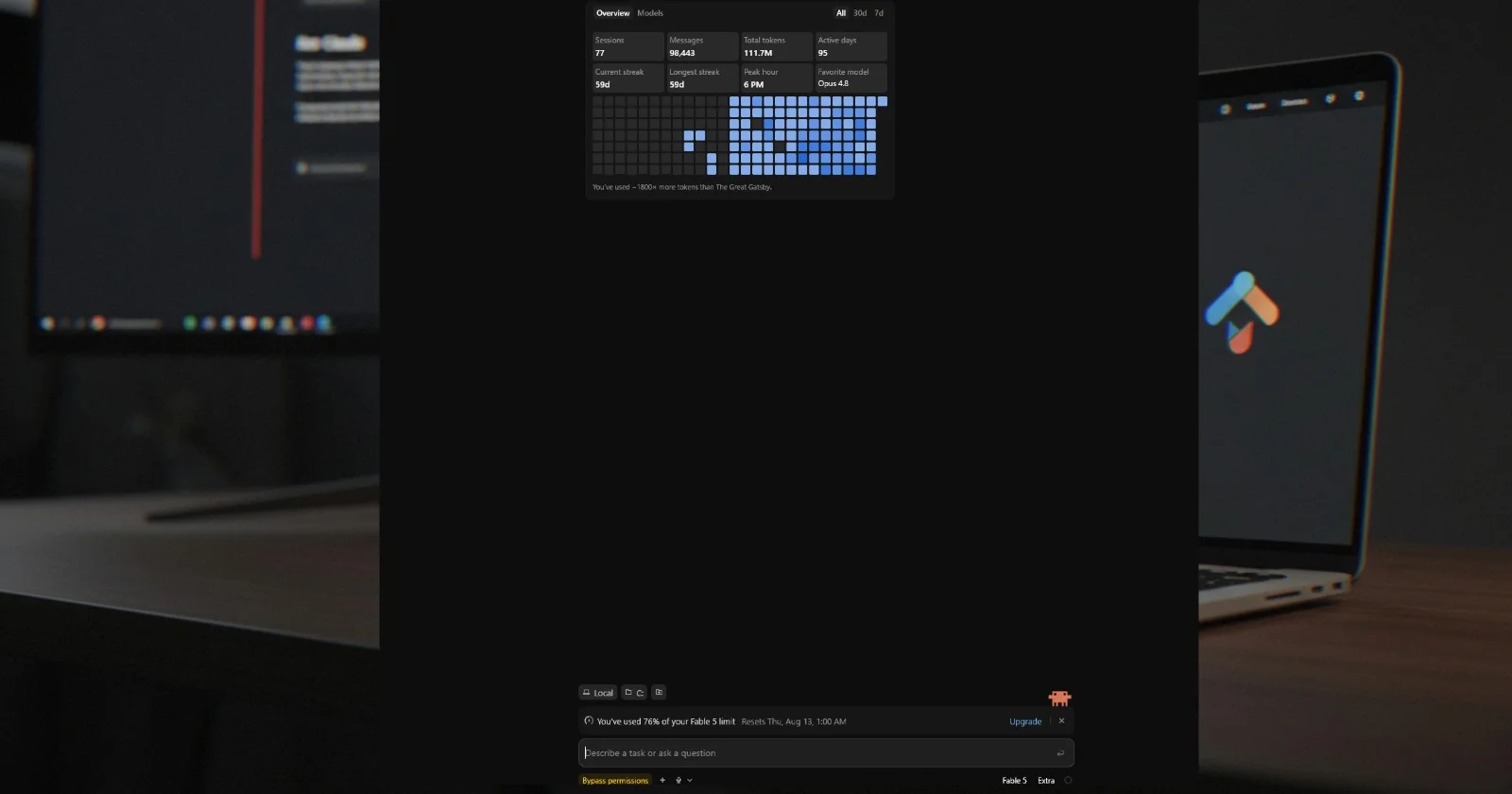
The admin panel handles blog posts, guides, pages, approving submitted projects, SEO settings, etc., which is what a subscription hosted CMS would usually do. Newsletters and a weekly digest are written and scheduled from the same panel with a lock so the same campaign can't go out twice. Traffic reporting is a script that pulls Google Analytics and Search Console into summaries, instead of a paying dashboard product. Cloudflare stats come from another short script. Backups run on timers every night, to multiple places via Borg and Restic.
None of these were hard to build with Claude Code, they were all just prompts. Each one does a narrow job I understand completely, for exactly one customer, me. A newsletter platform is built for thousands of different businesses. I needed a handful of what the SaaS version does.
What I still pay for
Email still goes out through Amazon SES. Writing the code to send an email is trivial. Getting that email into an inbox instead of a spam folder depends on sending reputation, authentication records, and relationships with Gmail and Outlook that no prompt can produce. That's something what an actual subscription can buy.
The servers, the storage for the backups, the domain registrar, and Claude itself are all still paid. So is anything near payments, which I'd never build myself. Card data comes with security and compliance obligations that are a full-time job on their own.
The pattern is pretty consistent. Build the parts that are just your own logic and your own data. Keep paying for the parts that are really infrastructure, a network, or trust: the stuff where the value comes from what's around the code instead of the code itself.
The cost nobody puts in the comparison
The pitch for building is usually a subscription price compared with zero. The real comparison is a subscription price against your time, forever.
When you build it, you own it. The bugs, the security fixes, the dependency that breaks after an update, the thing that stops working the week you're busy with something else. A $20 tool that never breaks is cheap next to one afternoon a month spent keeping your replacement alive. And Claude Code will get things wrong sometimes, so someone has to be able to fix what it built.
That's also why my homemade tools stay small. I'd happily maintain a short report script. I wouldn't want to maintain my own email delivery, and I already made the call to run my own database servers knowing exactly what that costs me in upkeep.
A simple way to decide
A subscription is a good candidate to replace when you use a small slice of what it does, the job is narrow and well understood, the data is yours, and a few hours of downtime wouldn't hurt anyone. Internal dashboards, reports, simple admin tools, personal trackers, and one-off automations usually fit.
It's a bad candidate when it handles money, delivers messages to other people, stores other people's personal data, needs to talk to a large network of other services, or carries legal or compliance weight. In those cases the code was never what you were paying for.
So the SaaSpocalypse is real for a certain kind of software: the thin tool that does one simple job for a monthly fee. It's mostly noise for the kind that does something hard you'd rather not own. This site builds its own newsletter tool and still sends every one of those newsletters through someone else's servers.
Sources
Forrester: SaaS as we know it is dead, how to survive the SaaS-pocalypse - The February 11, 2026 analysis listing investor fears including that vibe coding will let startups replicate the features of complex SaaS platforms, and projecting global SaaS spending rising from $318 billion in 2025 to $512 billion in 2028.